Printable Pet Travel Checklist for Dogs & Cats (Safe Trips)
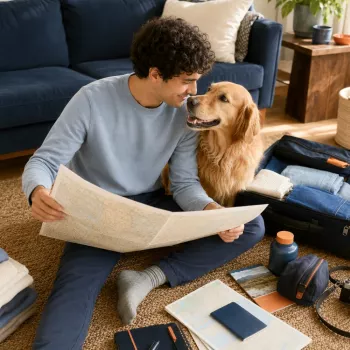
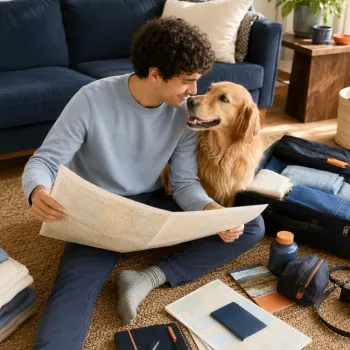
Pet Travel Essentials Checklist for Safe Trips: A Printable Planner for Dogs and Cats
Smooth pet travel comes down to preparation: the right documents, a safe setup in the car or carrier, familiar food and routines, and a few emergency-ready items. The goal is simple—reduce surprises for your pet and remove last-minute scrambling for you. Below is a category-by-category packing checklist for road trips and vacations, with practical tips for both dogs and cats and a printable planner to keep everything organized before departure day. For more guidance, see People and Pets…Better Together!.
Before You Pack: Quick Safety Prep
- Confirm ID: Make sure the collar tag is readable, microchip info is current, and a clear, recent photo is saved on your phone.
- Schedule timing: Avoid travel during peak heat. Plan breaks every 2–3 hours for dogs; cats usually do better with fewer disruptions and a calmer environment.
- Practice the setup: Do short carrier rides for cats and short, buckled-in trips for dogs to reduce anxiety and motion sickness.
- Review destination rules: Check pet fees, breed/size restrictions, leash policies, and nearby veterinary options.
For broader guidance on safe travel basics, the American Veterinary Medical Association (AVMA) and the ASPCA both share helpful checklists and safety reminders. For further reading, see Welcome to SGU | Resources for Accepted Students.
Health, Documents, and Emergency Information
- Vaccination proof: Bring records and any required health certificate (common for certain lodging and travel situations).
- Medications: Pack meds in original containers with dosing instructions. Include preventatives (flea/tick/heartworm) as appropriate.
- Emergency info: Write down your vet’s number, a 24/7 emergency vet near your destination, pet poison control, and any chronic conditions or allergies.
- Compact first-aid kit: Gauze, antiseptic wipes, tweezers, bandage wrap, tick remover, and disposable gloves are a solid start.
| Item | Why it matters | Where to store it |
|---|---|---|
| Vaccination records | Helps with boarding, lodging, and emergencies | Folder + photo on phone |
| Medication list & dosages | Prevents missed doses and dosing errors | Wallet card + phone note |
| Microchip and tag details | Improves chances of reunion if lost | Phone note + collar tag |
| Emergency contacts | Speeds up care if something happens | Printed sheet in travel bag |
| Recent pet photo | Useful for lost-pet posters and alerts | Phone favorites album |
Safe Travel Setup: Car, Carrier, and Comfort
- Secure restraint: Use a crash-tested harness with a seatbelt for dogs, or a secured carrier for cats and small dogs. Avoid loose pets in the cabin.
- Carrier essentials (especially for cats): Add an absorbent liner, a familiar blanket, and enough room for your cat to stand and turn around comfortably.
- Temperature control: Never leave pets in a parked car. Keep airflow consistent and block direct sun with shades if needed.
- Stress reducers: Consider pheromone spray/wipes, a familiar toy, and predictable handling during stops.
A small but important detail: keep the leash, harness, and poop bags within reach—if you have to dig through luggage during a busy stop, it’s easier for a dog to bolt or for a cat to get startled.
Food, Water, and Feeding Routine
- Pack the usual food: Bring enough for the full trip plus 1–2 extra days to avoid sudden diet changes that can cause stomach upset.
- Prevent spills: Bring a measured scoop, collapsible bowls, and a sealed container to keep food fresh.
- Water strategy: Offer small sips frequently. If your pet is sensitive, consider bottled or filtered water to reduce tummy issues.
- Treats with a purpose: Use high-value treats to reward calm behavior during loading, carrier time, elevators, and unfamiliar hallways.
Hygiene, Cleanup, and Mess-Proofing
- Dogs: Waste bags, enzymatic cleaner, paper towels, and a small towel for muddy paws.
- Cats: Portable litter box (or disposable tray), litter in a sealed bag, scoop, and odor-control bags.
- Car protection: A washable seat cover or blanket helps; bring a spare set of linens for accidents.
- Grooming basics: Brush/comb, wipes, and nail clippers for trips longer than a few days.
| Category | Dogs | Cats |
|---|---|---|
| Bathroom needs | Waste bags, spare leash for quick stops | Portable litter box, litter, scoop |
| Accident control | Enzymatic cleaner, paper towels | Enzymatic cleaner, absorbent pads |
| On-the-go cleanup | Paw wipes, towel | Wipes, lint roller for fur |
| Car/lodging protection | Seat cover or blanket | Carrier liner + spare blanket |
Sleep, Routine, and Destination Comfort
- Familiar comfort: Bring a known blanket or sleep mat to reduce stress and discourage destructive behavior in new spaces.
- Rotate entertainment: Pack a few toys/chews and rotate them to keep attention and ease boredom.
- Create a “home base”: At the destination, set one area with food, water, and rest so your pet can settle quickly.
- Cat-specific tip: Start in one quiet room; expand access gradually once your cat is eating, using the litter, and relaxed.
Day-by-Day Road Trip Plan
| When | What to do | Packing reminder |
|---|---|---|
| 24 hours before | Confirm reservations and vet info, pre-pack essentials | Documents, meds, ID, carrier |
| Morning of travel | Early meal, calm walk/play, load car safely | Food, water, cleanup kit |
| Every stop | Offer water, bathroom break, quick check-in | Leash/harness, waste bags |
| Arrival | Set up home base, short decompression time | Blanket, bowls, litter/pee pads |
Printable Planner and Checklist
Printable Pet Travel Essentials Checklist and Planner keeps everything in one place, from document reminders to day-of departure steps.
If you like having a broader “life admin” reference while planning trips, the Essential Adult Skills Guide is a handy companion for organizing schedules, communications, and everyday logistics alongside your pet plan.
FAQ
What essentials do dogs need for travel?
Dogs typically need a secure restraint (crash-tested harness or secured crate), current ID/microchip info, food and water with bowls, leash/harness, waste bags and cleanup supplies, medications and basic first-aid, comfort items, and destination/vet contact details. For road trips, plan breaks about every 2–3 hours for water and bathroom needs.











Leave a comment