Study Skills Mastery: Focus, Memory & Methods That Work

Study Skills Mastery Guide: Focus, Memory, and Study Methods That Stick
Strong study results come from repeatable systems: planning, focused work blocks, active recall, and simple tools that reduce friction. This guide breaks down practical learning strategies, focus tips, memory techniques, and a ready-to-use study checklist—designed for busy students who want more progress in less time. For more guidance, see study guide for delta achievement test.
What “study skills mastery” looks like in real life
“Better studying” isn’t about longer nights or prettier notes. It’s a set of behaviors that make learning measurable and reviewable—so you always know what to do next. For further reading, see Study Skills Workbook.
- Clear outcomes for each session: one chapter summarized, 30 recall questions answered, or a practice set completed.
- Short feedback loops: quick self-tests that reveal what’s not yet learned.
- Consistent routines: same time, same place, same cues—less decision fatigue.
- Stress-aware pacing: earlier review beats last-minute cramming.
- A simple system for notes, tasks, and review dates: so nothing gets lost between classes and deadlines.
A simple weekly study system (built for exam-week pressure)
A weekly plan works when it’s realistic, easy to repeat, and designed around review (not just “covering material”). Aim for a system that can survive busy days without falling apart.
- Start with a weekly map: list quizzes, assignments, and chapters; estimate effort in hours, then add buffer time.
- Use a daily “Top 3”: pick the three tasks that matter most for grades or comprehension.
- Plan review sessions before practice tests: review → quiz yourself → fix gaps → retest.
- Keep sessions short and repeatable: 25–50 minutes of focus, 5–10 minutes break, then a second round if needed.
- End each day with a 3-minute reset: prep tomorrow’s materials, write the first task, clear distractions.
Weekly plan template (example)
| Day | Focus Block 1 | Focus Block 2 | Quick Review (10–15 min) |
|---|---|---|---|
| Mon | Read + make recall questions | Practice problems | Flashcards on missed items |
| Tue | Lecture notes → active recall | Timed quiz set | Error log review |
| Wed | Rewrite weak topics in simple words | Mixed practice | Mini test (10 questions) |
| Thu | Past paper / sample questions | Fix gaps + retest | Spaced review set |
| Fri | Full-length practice (timed) | Review mistakes | Light flashcards |
| Sat | Target weak areas | Memory techniques drill | Self-quiz |
| Sun | Rest + light recap | Plan next week | Quick skim + recall |
Study methods that improve retention (without extra hours)
If time is limited, prioritize methods that force the brain to retrieve and apply information. Research consistently supports retrieval practice and spaced repetition as high-impact approaches (see Science on retrieval practice and a review of effective techniques in Psychological Science in the Public Interest).
- Active recall: turn headings into questions; answer from memory before checking notes.
- Spaced repetition: revisit material on a schedule (same day, 2–3 days later, 1 week later). The Education Endowment Foundation summarizes why spacing supports long-term learning.
- Interleaving: mix problem types or topics to build flexible understanding instead of “pattern matching.”
- Practice testing: simulate exam conditions with time limits and no notes—then review your misses immediately.
- The “teach-back” method: explain a topic in plain language, then identify missing steps and patch them.
Focus tips that survive phones, noise, and low energy days
Focus isn’t a personality trait; it’s an environment + routine combo that reduces decisions and temptation.
- Set a pre-study cue: water, clear desk, open only the needed tabs, start timer—same ritual each time.
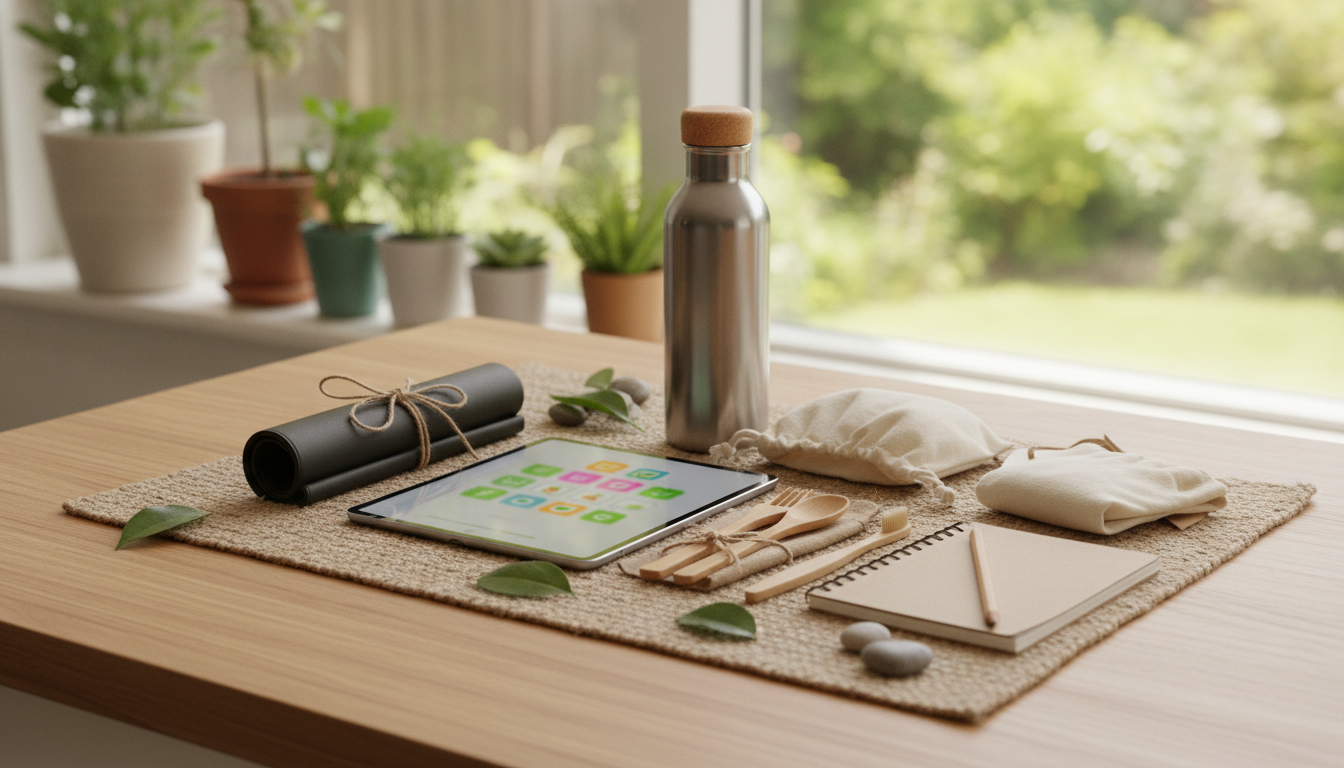
- Reduce friction: keep a single “study kit” (charger, notebook, highlighters, earplugs) ready to go.
- Use distraction parking: write down intrusive thoughts or tasks on a sticky note and return later.
- Protect the first 10 minutes: no messages, no multitasking—momentum is the goal.
- Match task to energy: low energy for flashcards or review; high energy for practice sets and writing.
Memory techniques for faster recall
Memory improves when information is organized, connected, and rehearsed under “test-like” conditions. Use one technique at a time, then retest yourself to confirm it worked.
- Chunking: group details into meaningful categories (e.g., 5 steps → 2 phases + checklist).
- Mnemonics: acronyms, rhymes, or story links for sequences and lists.
- Visualization: attach facts to vivid images or places (method of loci for ordered recall).
- Elaboration: connect new info to what’s already known using “why” and “how” questions.
- An error log: track mistakes, the reason, and the corrected rule—review this before tests.
A practical study checklist (before, during, after)
A checklist turns “I should study” into a repeatable start-up routine and a clean finish—so each session feeds the next one.
What’s included in the Study Skills Mastery Guide (digital download)
If you want the full system in one place, Study Skills Mastery Guide (Digital Study Guide + Study Checklist PDF) is built to translate proven strategies into step-by-step sessions you can repeat all semester.
For extra practice materials, pair it with Memory Boost Worksheets for Students & Adults. If you’re balancing school with “real life” responsibilities, Essential Adult Skills Guide can help streamline routines so studying fits more easily into your week.
How to use the guide in 7 days
FAQ
Is this digital study guide suitable for high school, college, and adult learners?
Yes. The strategies work across ages and subjects—start with active recall, spaced repetition, and practice tests, then adjust session length and weekly volume to match your schedule and workload.
How fast can study methods improve grades?
Planning and tighter focus can help right away, but measurable grade gains usually show up over 2–4 weeks when you consistently do practice testing, review errors, and space your repetitions.
Does the checklist work for ADHD or easily distracted learners?
It can, especially when paired with shorter focus blocks, a clear start cue, distraction parking, and a visible checklist. Timed sessions and small environment tweaks (like a prepared study kit) make it easier to start and restart.











Leave a comment